7 Ways a New Septic System Can Improve Your Property’s Value
May 8, 2026

May 8, 2026

Investing in a modern waste management solution is one of the most impactful upgrades a rural or suburban homeowner can undertake to boost their home's market appeal. A new system not only ensures environmental compliance but also provides long-term financial security for potential buyers. This guide explores how prioritizing this infrastructure can significantly enhance your property’s overall valuation.


1. Enhancing Buyer Confidence Through Proven Reliability

When a prospective buyer looks at a home that isn't connected to a municipal sewer line, their first concern is often the state of the underground infrastructure. A brand-new system eliminates the "fear of the unknown," providing tangible proof that the home is ready for immediate occupancy without the threat of a multi-thousand-dollar failure. In real estate, certainty is a currency that translates directly into higher offers and shorter days on the market.


By investing in a professional septic installation, you are essentially offering a warranty on the home’s most critical utility. Buyers are often willing to pay a premium for a property where the heavy lifting of infrastructure maintenance has already been completed. This transparency builds a foundation of trust between the seller and the buyer, ensuring that the closing process remains smooth and devoid of last-minute repair negotiations.


2. Maximizing Usable Land with Modern Design

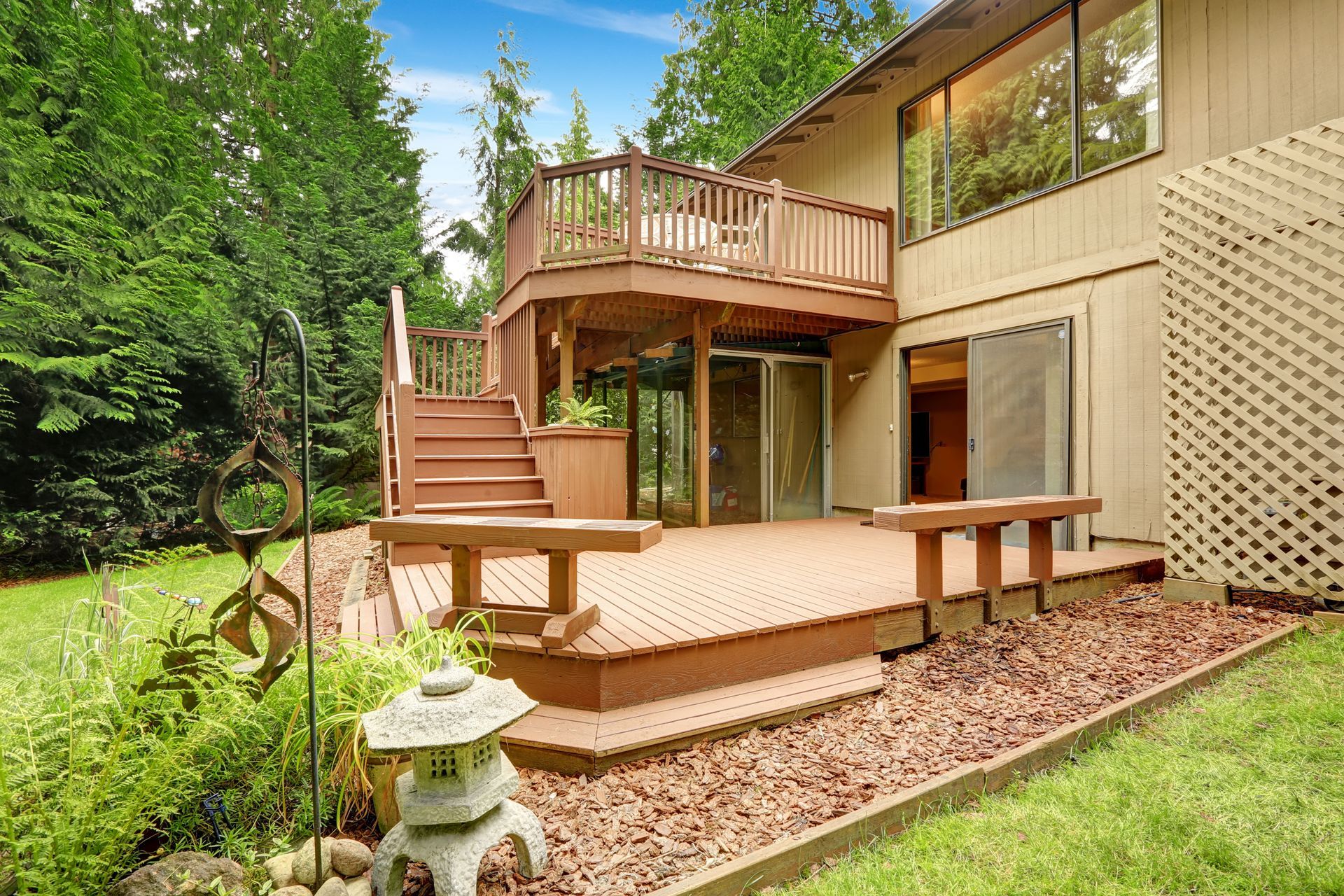
Older systems were often installed with bulky, inefficient designs that took up massive swaths of the backyard, limiting where you could build decks, pools, or secondary structures. Modern septic system installation techniques utilize advanced technology like aerobic treatment units or high-capacity chambers that require a much smaller footprint. This reclaimable land adds "functional value" to the property, allowing future owners to envision gardens, play areas, or outdoor living spaces that were previously impossible.

The ability to show a buyer exactly where they can expand their living space is a massive selling point. When the drain field is optimized and the tank is strategically placed, the property feels larger and more versatile. This shift from a "problem area" to a "usable asset" is a key driver in increasing the price per square foot of the outdoor lot.


3. Ensuring Environmental Compliance and Health Standards

Environmental regulations regarding wastewater treatment are becoming increasingly stringent, and an outdated system can quickly become a legal liability. A new septic installation ensures that your property meets or exceeds current local health department codes, protecting the local groundwater and soil from contamination. For environmentally conscious buyers, a system that utilizes the latest filtration technology is a significant draw that justifies a higher asking price.


According to HomeAdvisor, a septic tank can last anywhere from 14 to 40 years, depending on various factors. Beyond the legalities, there is the peace of mind that comes with a healthy home environment. Old, failing systems can leach nitrogen and pathogens into the soil, creating odors and health hazards that decimate property value. By upgrading, you eliminate these risks entirely, positioning your home as a safe, clean, and sustainable choice in a competitive housing market.


4. Reducing Long-Term Maintenance Costs for Owners

One of the most attractive features of a new system is the low overhead associated with its operation during the first decade of its life. A modern septic installation typically features easier access ports, high-tech alarms to warn of high water levels, and more durable materials that resist corrosion better than the concrete or steel tanks of the past. These features reduce the frequency of emergency repairs and make routine pumping more straightforward and less expensive.


Sellers can market the home with the promise of "low-maintenance living," which is a major trend in current real estate circles. When you can demonstrate that the new system is designed for efficiency and longevity, you remove a major mental hurdle for buyers who might otherwise be intimidated by the responsibilities of owning a septic-dependent property. Lower projected costs in the buyer's mind lead to a higher perceived value of the home itself.


5. Supporting Home Expansions and Bedroom Additions

Septic systems are permitted based on the number of bedrooms in a house, not the current number of residents. If you have an older two-bedroom system but want to market your home as a four-bedroom potential, you must upgrade. A new septic installation sized for a larger capacity allows you to legally add bedrooms or accessory dwelling units, which are the most direct ways to jump-start property value appreciation.


Without a properly sized system, any interior renovations are limited by law; you cannot legally claim a "bonus room" as a bedroom if the septic capacity doesn't support it. By upgrading the system now, you unlock the full potential of the home’s square footage. This "growth potential" is a top-tier feature for investors and growing families who want a home that can evolve alongside their needs.


6. Improving Aesthetic Appeal and Eliminating Odors

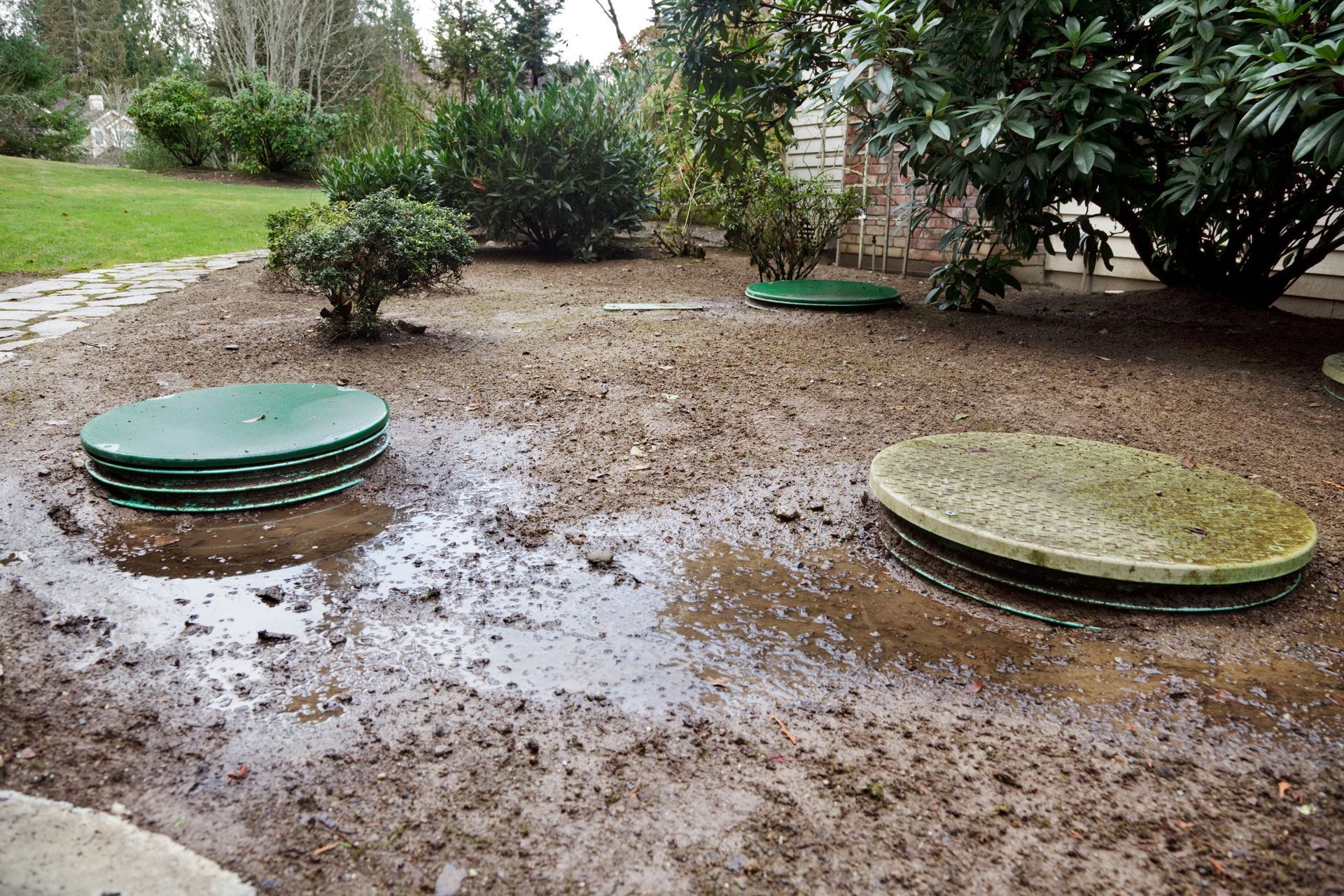
Nothing kills a property's curb appeal faster than "marshy" spots in the yard or the faint, unpleasant odor of a failing drain field. A professional septic installation restores the integrity of the landscape, ensuring that the grass grows evenly and the air remains fresh. This visual and sensory improvement is critical for making a strong first impression during open houses or private showings. When a potential buyer steps out of their car, they should be greeted by the scent of fresh-cut grass, not the sulfurous warning signs of a saturated leach field. A dry, firm lawn signals that the home’s unseen systems are functioning perfectly, allowing the focus to remain on the home’s beauty rather than its potential plumbing liabilities.


Modern systems also feature low-profile covers that can be easily camouflaged with light landscaping or decorative rocks, unlike the unsightly concrete lids of yesteryear. These streamlined components allow for a seamless transition between the yard and the functional utilities of the home. When the infrastructure is invisible and the lawn is pristine, the home looks well-cared-for and high-end. Buyers associate a well-maintained exterior with a well-maintained interior, creating a halo effect that boosts the overall valuation of the entire estate.


7. Boosting Appraisal Values During Financial Reviews

When an appraiser visits a property, they look for "effective age" versus "actual age." A home built in decades ago with a brand-new septic system will have a much better effective age rating than one with its original equipment. This distinction is vital for securing high-value loans and ensuring that the bank's valuation aligns with your asking price. The presence of a new system is a line-item asset that can add thousands of dollars to the final appraisal report.


Furthermore, many lenders require a passing septic inspection before they will even consider a mortgage for a buyer. By proactively handling the upgrade, you remove the risk of the deal falling through during the financing stage. A guaranteed "pass" from an inspector makes your property a "gold standard" listing, attracting more serious, qualified buyers who are ready to pay top dollar for a hassle-free transaction.


A new septic system is far more than a hidden utility; it is a vital investment in your property’s future equity. By addressing reliability, compliance, and expansion potential, you position your home as a premium offering in any market conditions. Taking this step ensures that your property remains a safe, valuable, and highly desirable asset for decades to come. If you want to learn more about the benefits of hiring a professional septic installation company, contact ATK today to get started!
bathroom remodeling
June 12, 2026
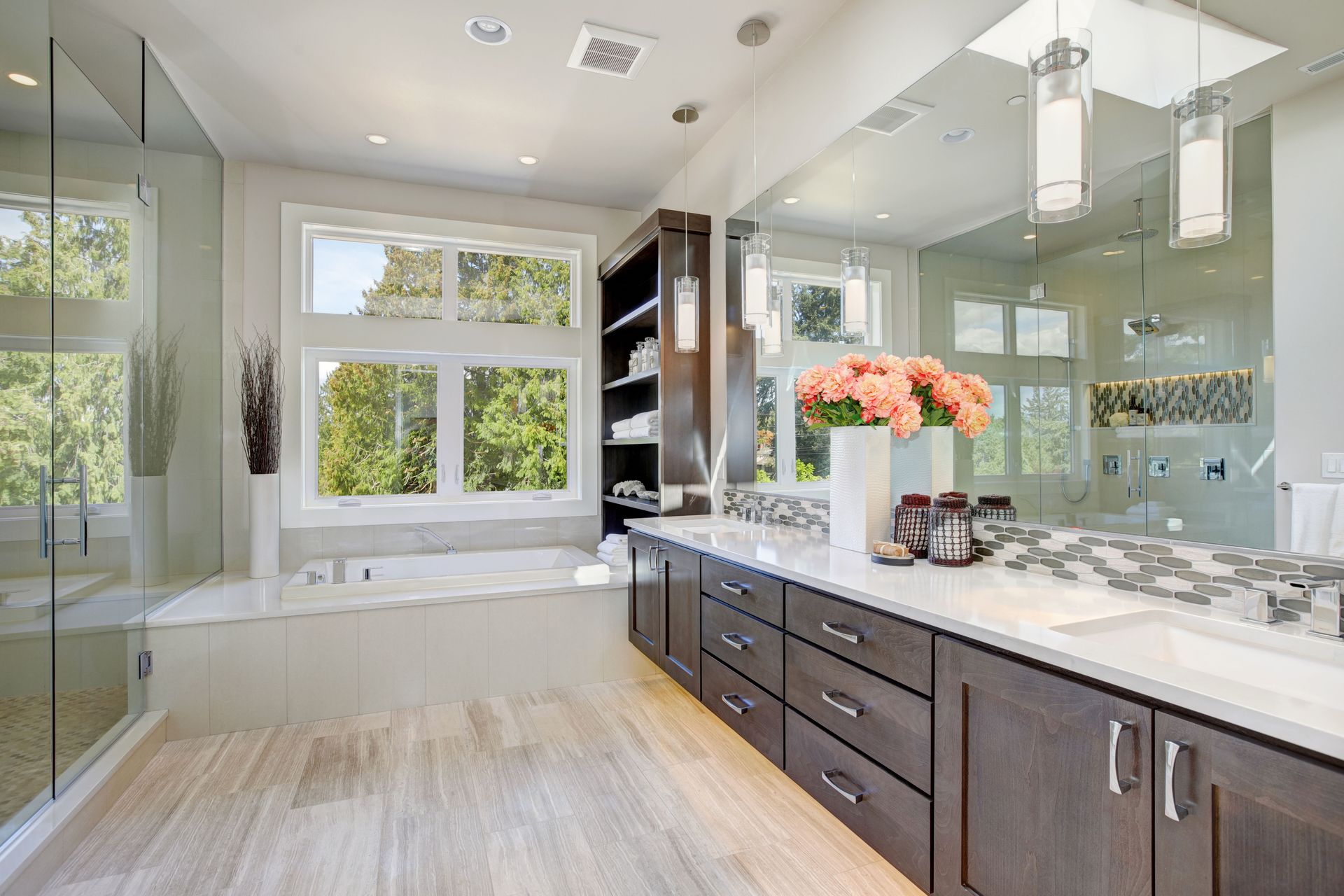
Discover strategic bathroom remodeling ideas that maximize your home's ROI. Explore durable surfaces, modern fixtures, and luxury spa upgrades.
deck contractors
June 3, 2026
Choosing the right material for an outdoor living space is a big decision many property owners face. A suitable foundation affects the longevity, appearance, and maintenance requirements of the structure for decades to come. Professional deck contractors look at several variables, including local climate patterns, budget constraints, and aesthetic preferences, before recommending a specific product. Picking Traditional Pressure-Treated Lumber Pressure-treated lumber remains a highly popular choice for outdoor building projects due to its affordability and widespread availability. This material consists of natural wood, typically southern yellow pine, that undergoes a high-pressure chemical treatment process. The treatment deeply infuses protective agents into the wood fibers, shielding the structure from rot, fungal decay, and wood-boring insects. This protective barrier allows the wood to remain structurally sound even when placed in direct contact with moist soil. Because of its economical price point, contractors frequently install this material on projects with strict budget limits. According to Gitnux, you can get up to a 65% return on investment by installing a new wood deck. This financial advantage makes natural wood a compelling option for property owners who want to maximize their property value without incurring exorbitant upfront material costs. Furthermore, the money saved on raw materials can be redirected toward expanding the overall square footage of the outdoor living area. However, pressure-treated wood demands consistent upkeep to preserve its structural integrity and visual appeal over time. Without regular application of water-repellent sealants and UV-resistant stains, the boards will inevitably crack, warp, and fade to a dull gray color. Professional deck contractors advise that you schedule maintenance every one to two years to counteract the natural weathering process caused by sun and rain. Neglecting this routine upkeep significantly shortens the operational lifespan of the entire installation. Opting for Durable Composite Elements Composite decking has experienced a massive surge in popularity across the residential construction industry. Manufactured from a dense mixture of recycled plastic fibers and reclaimed wood sawdust, this engineered material simulates the warmth of real wood without the associated physical vulnerabilities. The manufacturing process creates a highly resilient board wrapped in a protective polymer shell that resists heavy impacts and daily foot traffic. This innovative composition prevents the boards from ever splintering, making it a highly family-friendly option. The primary appeal of composite materials lies in their exceptionally low maintenance requirements. Unlike natural wood, these boards never require sanding, staining, painting, or sealing to maintain their vibrant color and structural strength. Homeowners simply need to wash the surface with soap and water periodically to remove dirt, mold spores, and leaves that accumulate over the seasons. This frees up valuable weekend time that would otherwise be spent performing grueling manual labor. From an installation standpoint, deck contractors appreciate the uniformity and specialized fastening systems associated with composite brands. The boards lack the natural knots, splits, and warping found in organic timber, which minimizes material waste during construction. The hidden clipping mechanisms clip directly into the sides of the boards, creating a smooth, fastener-free surface that is safe for bare feet. These hidden systems also speed up the overall construction timeline by eliminating the need to face-screw every individual plank. Using Rich Natural Hardwoods For high-end outdoor spaces, premium natural hardwoods provide unmatched structural strength and sophisticated visual appeal. Exotic species like Ipe, Cumaru, Tigerwood, and Garapa are sourced from tropical regions and possess an incredibly dense cellular structure. This extreme density makes the wood naturally resistant to scratches, dents, fire, and insect infestations without needing any chemical treatments. Because these trees grow in competitive rainforest environments, their wood fibers are uniquely adapted to withstand severe elements. The aesthetic profile of tropical hardwoods features deep, rich color tones and intricate grain patterns that synthetic alternatives struggle to replicate perfectly. Over time, exposure to sunlight will gradually transform the deep browns and reds into a sleek, silvery-grey patina if left untreated. Property owners can easily preserve the original vivid coloration by applying a specialized UV-blocking oil once a year. This flexible aging process allows the structure to evolve gracefully alongside the surrounding landscape design. Working with these dense materials requires certain tools and extensive construction experience. Because the wood is hard enough to blunt standard steel saw blades, deck contractors must drill every single screw hole in advance to prevent the timber from splitting. The intensive labor requirements and high material procurement costs position natural hardwoods as a luxury option for premium outdoor spaces. Integrating Sleek Modern Aluminum Aluminum decking represents a contemporary, high-performance alternative that is rapidly gaining traction in modern architectural designs. Though less traditional than wood or composites, aluminum offers distinct structural advantages that make it ideal for specific outdoor environments. The metal receives a durable, powder-coated finish during manufacturing, which provides excellent protection against scratching, fading, and chipping. One major advantage of aluminum is its total immunity to the environmental factors that degrade organic materials. It will never rot, warp, split, twist, or harbor mold, making it virtually indestructible under normal outdoor conditions. Additionally, aluminum is completely non-combustible, which provides an excellent safety advantage for homes located in areas prone to wildfires. Its structural rigidity also means fewer joists are required underneath to support the weight of the platform. Many property owners worry that metal surfaces will become uncomfortably hot to the touch during peak summer months. However, aluminum actually conducts and dissipates heat much more efficiently than wood or composite boards, allowing it to stay cooler under direct sunlight. Experienced deck contractors often recommend aluminum for upper-level balconies or docks because the interlocking joints create a completely watertight surface underneath. This secondary benefit allows homeowners to create a dry, usable storage area or patio directly beneath the elevated structure. Embracing Affordable Western Red Cedar Western Red Cedar stands out as a premium domestic softwood that balances natural beauty with excellent physical performance. Cedar contains natural oils and tannins that act as built-in preservatives, allowing the wood to resist rot, moisture damage, and insect attacks without chemical stabilization. This species is celebrated for its rich tonal variations, ranging from pale straw colors to deep reddish-browns. The distinct, pleasant aroma of fresh cedar also adds a sensory appeal to the outdoor environment. The structural stability of cedar is another key reason why deck contractors favor this material for custom outdoor builds. Cedar absorbs and releases moisture evenly, which prevents the boards from warping, twisting, or shrinking as the seasons change. The wood remains remarkably flat and straight after installation, maintaining the tight joints and clean lines of the original design. This predictable behavior under stress makes it an excellent choice for intricate patterns and custom perimeter picture framing. While cedar offers superior stability and beauty compared to pressure-treated pine, it is a softer wood that is susceptible to physical scratching and denting. Heavy patio furniture, pet claws, and high-heeled shoes can leave permanent marks on a cedar surface over time. Property owners must commit to periodic sealing every few years to protect the delicate wood fibers from UV degradation and physical wear. Using protective furniture pads can help mitigate some of this surface wear over the lifespan of the platform. Working with the optimal material involves balancing aesthetic desires, maintenance capabilities, and long-term performance expectations. Each product offers distinct advantages, from the budget-friendly nature of treated pine to the longevity of engineered composites and metals. Consulting with professional deck contractors helps clarify which material best fits the unique demands of a specific property and lifestyle. Contact ATK today to schedule a consultation for your upcoming outdoor property improvement.
deck builder
May 13, 2026
ATK explains how a deck builder can improve outdoor living with better planning, material choices, safety, and long-term home value.
Show More →