May 11, 2026
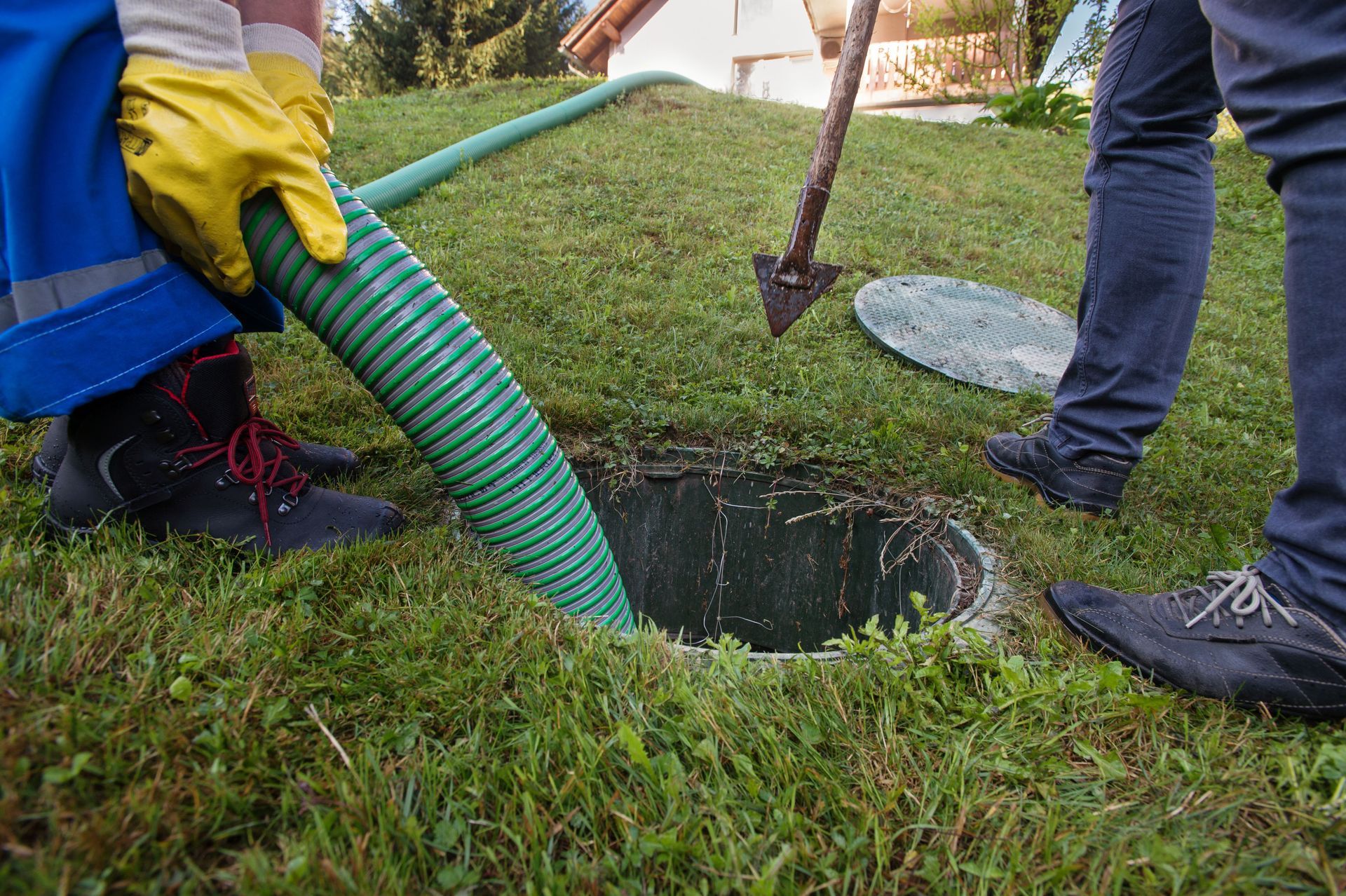
Let's be honest: nobody wakes up excited to think about their sewage system. It's one of those "out of sight, out of mind" parts of homeownership - until it isn't. But neglecting an aging system can lead to some seriously expensive headaches. Did you know that the industry behind these systems is booming? According to MarketsandMarkets, the septic industry is set to be worth up to $5.5 billion by 2027.
This growth is happening because more homeowners are realizing that staying ahead of the curve with septic replacements is way cheaper than dealing with a backyard disaster. Let's walk through seven nightmare scenarios you can skip by choosing a proactive upgrade.
1. Protecting Your Family from Groundwater Contamination
When a system gets old, it doesn't just stop working; it starts leaking. This isn't just "dirty water" - it's a cocktail of pathogens and nitrogen seeping into the very water your neighborhood might rely on for drinking or gardening. You might not see it happening, but the environmental toll on local flora and fauna can be massive. Choosing septic replacements before a total breach ensures that these pollutants stay contained and treated, keeping your local ecosystem healthy. This proactive step also protects you from potential legal liabilities if contamination is traced back to your property line. It's much better to invest in a new system than to deal with the fallout of a polluted community well or a damaged local pond that could take years to remediate.
Furthermore, neglected leaks can lead to the accumulation of toxic nitrates in the soil, which eventually migrate into deeper aquifers. This invisible spread can compromise the safety of local agriculture and even affect the health of household pets that spend time in the yard. By prioritizing septic replacements, you are essentially putting up a permanent barrier between your household waste and the natural world. Modern systems use advanced filtration layers that far outperform the primitive designs of the past, offering you the peace of mind that your home isn't contributing to a larger ecological crisis. It is an investment in the long-term purity of your land.
2. Avoiding the Nightmare of Raw Sewage Backups
There is nothing quite as soul-crushing as seeing raw sewage bubbling up into your bathtub or basement. It usually starts with a few "gurgles" in the pipes or a slow drain, but once that pressure builds, the cleanup costs can climb into the thousands. Beyond the bill, the health hazards of having waste inside your living space are significant and often require professional biohazard remediation to prevent mold and disease. Fresh septic replacements offer modern capacity and reliability, virtually eliminating the risk of a "reverse flow" catastrophe. Newer systems are designed to handle the modern water usage of a busy family, ensuring that your morning shower doesn't turn into a plumbing emergency that disrupts your entire week and ruins your flooring.
Additionally, a backup often causes structural damage that isn't immediately visible, such as moisture seeping into drywall or rotting subfloors, which can lead to long-term black mold issues. Once a system begins to fail, the frequency of these backups usually increases, leaving you in a constant state of anxiety every time you run the washing machine or host guests. By opting for septic replacements, you replace that uncertainty with a high-performance tank and drain field equipped with sensors and alarms that catch issues long before they become indoor disasters. It's about more than just plumbing; it's about protecting your sanctuary and avoiding the traumatic experience of a flooded, unsanitary home.
3. Saving Your Home's Resale Value and Marketability
If you're thinking about selling your home, an old, failing septic system is like a "keep out" sign for buyers. Most savvy shoppers will ask for an inspection, and if the system is on its last legs, they'll either walk away or demand a massive price cut. By investing in septic replacements now, you turn a potential liability into a major selling point. In today's competitive real estate market, having a certified, newly installed system can actually speed up the closing process and give you the upper hand during price negotiations, as it removes a major "unknown" factor from the home's condition report and appraisal.
4. Preventing "Swampy" Yard Conditions and Soil Damage
Have you noticed a patch of grass that's suspiciously green and always soggy? That's often a sign of soil saturation from a failing drain field. When the soil becomes "dead" and waterlogged, it loses its structural integrity, which can even threaten the foundation of your home or nearby sheds. Timely septic replacements solve this by installing efficient, new drainage components that handle water flow properly, keeping your backyard a yard and not a man-made wetland. Furthermore, excessive moisture promotes fungal diseases that can kill off expensive landscaping and trees. By replacing the system, you restore the natural balance of your soil, protecting your garden and ensuring your outdoor space remains safe and dry for pets and children to play in.
5. Cutting Out the Cycle of "Band-Aid" Repairs
It starts with one service call, then another six months later, then a "temporary fix" for a broken pipe. These costs add up fast! Between emergency service fees and rising insurance premiums for "high-risk" properties, you could end up spending more on patches than a new system would cost. Strategic septic replacements end the "money pit" cycle by giving you a brand-new warranty and a system that actually works without constant babysitting. Every time you call a repairman, you're just delaying the inevitable while draining your savings. Transitioning to a modern system means you can finally stop crossing your fingers every time you run the dishwasher, providing a level of daily operational reliability that old, patched-together systems simply cannot offer.
6. Staying on the Right Side of Environmental Laws
Regulations aren't what they used to be. If local authorities find your system is non-compliant, you could be hit with heavy fines or even legal action. Opting for septic replacements ensures your home meets all modern codes, protecting you from the stress of surprise inspections and bureaucratic red tape. Staying compliant isn't just about avoiding tickets; it's about being a responsible member of your community. New systems use advanced technology to treat waste more effectively than ever before, ensuring you remain in the good graces of local environmental boards while contributing to the overall health and safety of your region's water table.
7. Investing in Long-Term Financial Peace of Mind
At the end of the day, a home is your biggest investment. When you factor in the avoided repair costs, the preserved home value, and the lack of stress, a new system pays for itself. Think of it as an insurance policy for your property's functionality. Instead of worrying about potential failures during a holiday gathering or a rainy week, you can rest easy knowing your infrastructure is robust. This long-term foresight ensures that your budget remains predictable and your home remains a sanctuary rather than a source of constant technical anxiety.
If you're noticing slow drains or just want to make sure your home is ready for the future, it's time to chat with the experts about septic replacements. Reach out to ATK today to schedule an inspection and keep your home running smoothly.