April 28, 2026
Septic systems are designed to operate quietly in the background, managing household wastewater efficiently for years. However, like any major system in a home, they have a finite lifespan. Recognizing when septic replacement is necessary can help homeowners avoid costly emergencies, environmental hazards, and property damage.
Most septic systems last between 20 and 40 years, depending on factors such as usage, maintenance, soil conditions, and system design. Over time, components like the tank, drain field, and pipes can deteriorate or become overwhelmed. When this happens, repairs may no longer be sufficient, and septic replacement becomes the more practical solution.
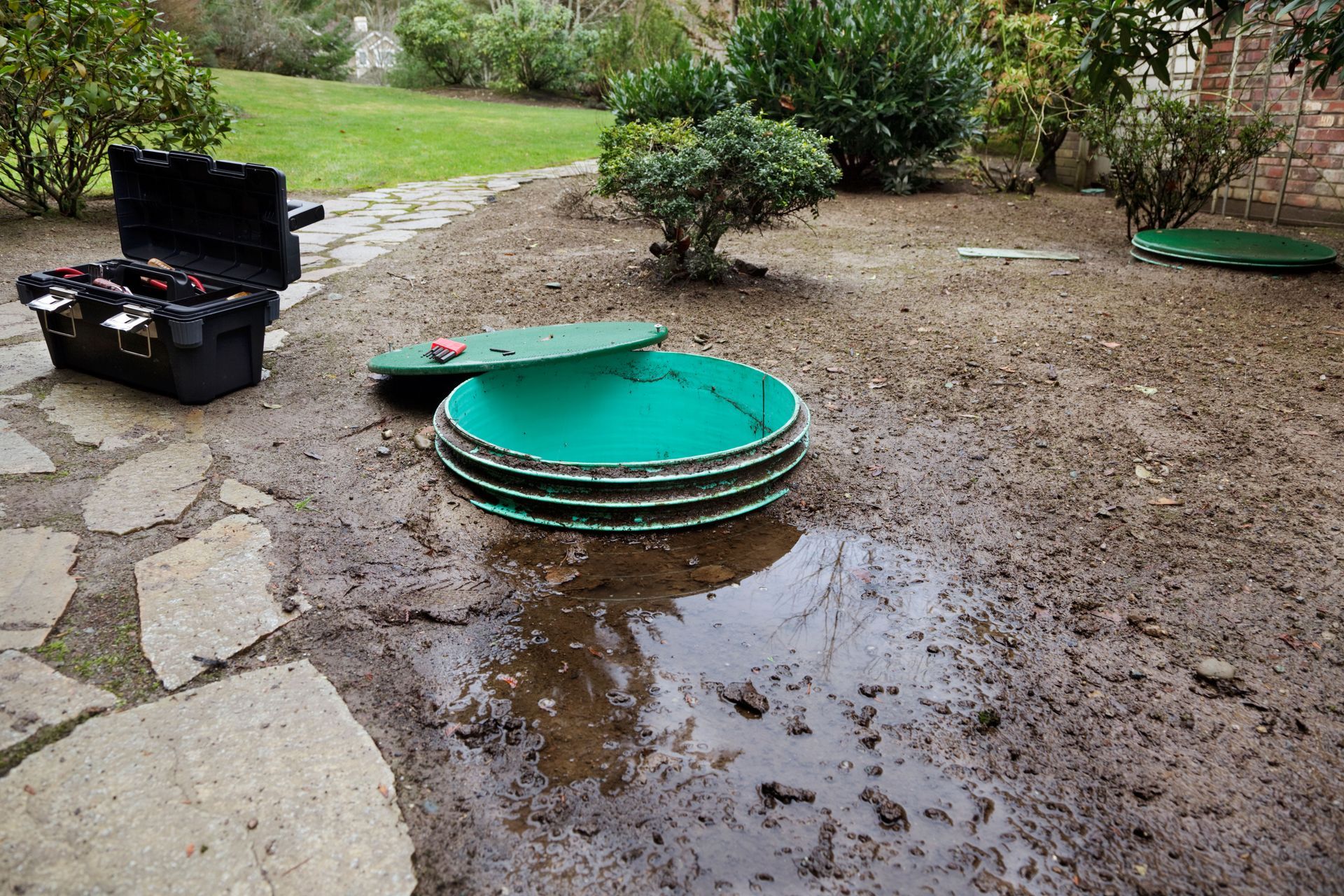
Common warning signs include persistent sewage odors, slow drains, pooling water in the yard, and frequent backups. While minor issues can sometimes be addressed with repairs, recurring problems often indicate deeper structural failures. In these cases, septic replacement ensures that the entire system is brought up to modern standards and can function reliably for decades to come.
Understanding these early indicators allows homeowners to act proactively rather than reactively, minimizing disruption and protecting their investment.
Evaluating the Cost of Septic Replacement
One of the most significant concerns homeowners have about septic replacement is cost. While it is undoubtedly a major investment, understanding the factors that influence pricing can help set realistic expectations and guide decision-making.
The total cost of septic replacement depends on several variables, including the size of the system, soil conditions, local regulations, and the complexity of installation. Properties with challenging terrain or poor soil drainage may require specialized systems, which can increase expenses.
According to HomeAdvisor, installing a septic system typically costs between $3,610 and $12,412, with most homeowners spending an average of $8,011. This range highlights the variability in septic replacement projects and underscores the importance of obtaining multiple estimates from qualified professionals.
While the upfront cost may seem substantial, it is important to consider the long-term value. A properly installed septic system can last for decades, improve property value, and reduce the likelihood of emergency repairs. In many cases, investing in septic replacement early can prevent more extensive and expensive damage later.
Choosing the Right Septic System for Your Property
Selecting the appropriate system is a critical part of any septic replacement project. Not all systems are created equal, and the right choice depends on your property’s unique characteristics.
Conventional systems are the most common and are suitable for properties with well-draining soil. They consist of a septic tank and a drain field that disperses treated wastewater into the ground. However, when soil conditions are less favorable, alternative systems may be required.
Options such as mound systems, aerobic treatment units, and sand filter systems are designed to handle challenging environments. These systems often involve additional components and technology, which can influence both installation and maintenance costs.
Working with a knowledgeable contractor ensures that your septic replacement is tailored to your property’s needs. They will conduct soil tests, evaluate site conditions, and recommend a system that meets local regulations while providing reliable performance.
Choosing the right system not only improves efficiency but also reduces the risk of future failures, making septic replacement a more sustainable investment.
The Installation Process and What to Expect
Understanding the installation process can help homeowners feel more prepared and confident during a septic replacement project. While timelines and specifics vary, most projects follow a similar sequence of steps.
The process typically begins with a site evaluation and permitting phase. Local health departments or regulatory agencies must approve the design before installation can begin. This ensures that the new system meets environmental and safety standards.
Once permits are secured, excavation begins. The old system is either removed or properly decommissioned, depending on local requirements. The new tank and components are then installed, followed by the construction of the drain field or alternative treatment system.
After installation, the system is tested and inspected to ensure proper functionality. The area is then backfilled and restored, although it may take time for landscaping to fully recover.
While septic replacement can temporarily disrupt daily routines, most projects are completed within a few days to a couple of weeks. Clear communication with your contractor can help manage expectations and minimize inconvenience.
Environmental and Health Benefits of Septic Replacement
Beyond functionality, septic replacement plays a crucial role in protecting both the environment and public health. Aging or failing systems can leak untreated wastewater into the soil and groundwater, leading to contamination.
This contamination can affect nearby wells, streams, and ecosystems, posing risks to both humans and wildlife. By investing in septic replacement, homeowners help prevent these hazards and contribute to a healthier environment.
Modern septic systems are designed with improved efficiency and environmental safeguards. They treat wastewater more effectively, reducing the release of harmful bacteria and nutrients into the surrounding area. This is especially important in regions with sensitive ecosystems or high water tables.
Additionally, a properly functioning septic system helps maintain indoor air quality by eliminating sewage odors and reducing the risk of mold or bacterial growth. These benefits make septic replacement not only a practical decision but also a responsible one.
Maintenance Tips to Extend the Life of Your New System
After completing a septic replacement, proper maintenance becomes essential to maximizing the lifespan of the new system. While modern systems are durable, they still require regular care to function effectively.
Routine pumping is one of the most important maintenance tasks. Depending on household size and usage, septic tanks should typically be pumped every three to five years. This prevents the buildup of solids that can lead to clogs and system failure.
Water conservation is another key factor. Excessive water use can overwhelm the system, reducing its ability to treat wastewater properly. Simple changes, such as fixing leaks and using high-efficiency appliances, can make a significant difference.
Homeowners should also be mindful of what goes down the drain. Avoid flushing non-biodegradable items, grease, or harsh chemicals, as these can damage the system and disrupt the natural bacterial processes that break down waste.
Regular inspections by a professional can help identify potential issues early, ensuring that your septic replacement continues to perform reliably for years to come.
How Septic Replacement Impacts Property Value
Septic replacement can have a notable impact on property value, particularly in areas where septic systems are common. Prospective buyers often view a new or recently replaced system as a major advantage, as it reduces the likelihood of immediate repairs or replacements.
A failing septic system, on the other hand, can significantly lower property value and deter potential buyers. Issues such as odors, drainage problems, and environmental concerns can raise red flags during inspections, complicating the sale process.
By investing in septic replacement, homeowners not only improve the functionality of their property but also enhance its marketability. Documentation of the installation, including permits and inspections, can further reassure buyers and streamline transactions.
In many cases, the value added by a new septic system can offset a portion of the installation cost, making it a worthwhile investment from both a practical and financial perspective.
Planning for a Successful Septic Replacement
Proper planning is essential for a successful septic replacement project. Taking the time to research options, budget appropriately, and work with experienced professionals can make a significant difference in the outcome.
Start by scheduling a thorough inspection to assess the condition of your current system. This provides valuable insight into whether septic replacement is necessary and what type of system will be most suitable.
Obtaining multiple quotes allows you to compare costs and services, ensuring that you receive a fair price. Be sure to choose a contractor with a strong reputation and relevant experience, as the quality of installation directly impacts system performance.
It is also important to consider long-term factors, such as maintenance requirements and potential future needs. Planning for these aspects helps ensure that your
septic replacement remains effective and efficient over time.
By approaching the process thoughtfully and proactively, homeowners can navigate septic replacement with confidence and achieve lasting results. If you have an aging septic system, reach out to the team at ATK today!