June 12, 2026
Property owners seek continuous home value improvements. A primary focus remains on the residential washroom. Updating these spaces provides excellent financial returns upon future resale. Real estate markets reward properties featuring pristine aesthetics and contemporary fixtures. Initiating bathroom remodeling requires strategic vision to ensure maximum profitability. Upgraded sanitization spaces attract immediate attention from prospective purchasers browsing modern housing listings. A well-executed project elevates the residence.
Determining which upgrades provide maximum return on investment requires meticulous planning. Certain design improvements yield greater dividends than choices. The primary objective involves balancing personal comfort with broad market appeal. Selecting timeless designs ensures lasting residential value. Trends fade, but classic material choices endure shifting design preferences. Market-savvy individuals prioritize enduring quality over fleeting aesthetic fads during the planning phase.
Upgrading Fixtures for Enhanced Appeal
Replacing outdated sinks and old faucets transforms the entire space. Modern hardware fixtures add subtle elegance to daily washing routines. Matte black finishes and brushed nickel materials attract prospective property buyers browsing the market. Such hardware choices elevate the overall aesthetic without requiring extensive structural changes. Property owners achieve visual impact through minor plumbing adjustments. These simple modifications refresh tired designs.
Strategic bathroom remodeling begins with these fundamental hardware swaps. Coordination among drawer pulls, showerheads, and sink faucets creates aesthetic harmony throughout the space. Cohesive room designs signal meticulous maintenance to future property viewers. Mismatched metals suggest haphazard upkeep, whereas unified finishes suggest premium craftsmanship. Attention to such granular details separates average homes from premium real estate listings. Unified elements create visual perfection.
Water-efficient fixture models offer substantial ecological and financial advantages. Low-flow toilets and aerated sink faucets conserve vital water resources. Eco-conscious buyers appreciate these green features during property evaluations. Lower utility bills serve as an attractive selling point for budget-minded individuals. Modern environmental standards require thoughtful plumbing selections. High-efficiency fixtures maintain strong water pressure while minimizing resource consumption. Conservation features add modern value.
Lighting fixtures play an equal role in perceived room value. Bright illumination makes compact spaces feel expansive and welcoming. Wall sconces placed near vanity mirrors eliminate harsh facial shadows during morning grooming routines. Well-lit environments highlight other premium room design elements. Dark corners make small rooms feel cramped and uninviting. Layered lighting schemes featuring overhead ceiling pendants and task illumination create dynamic visual depth.
Enhancing Surfaces for Lasting Durability
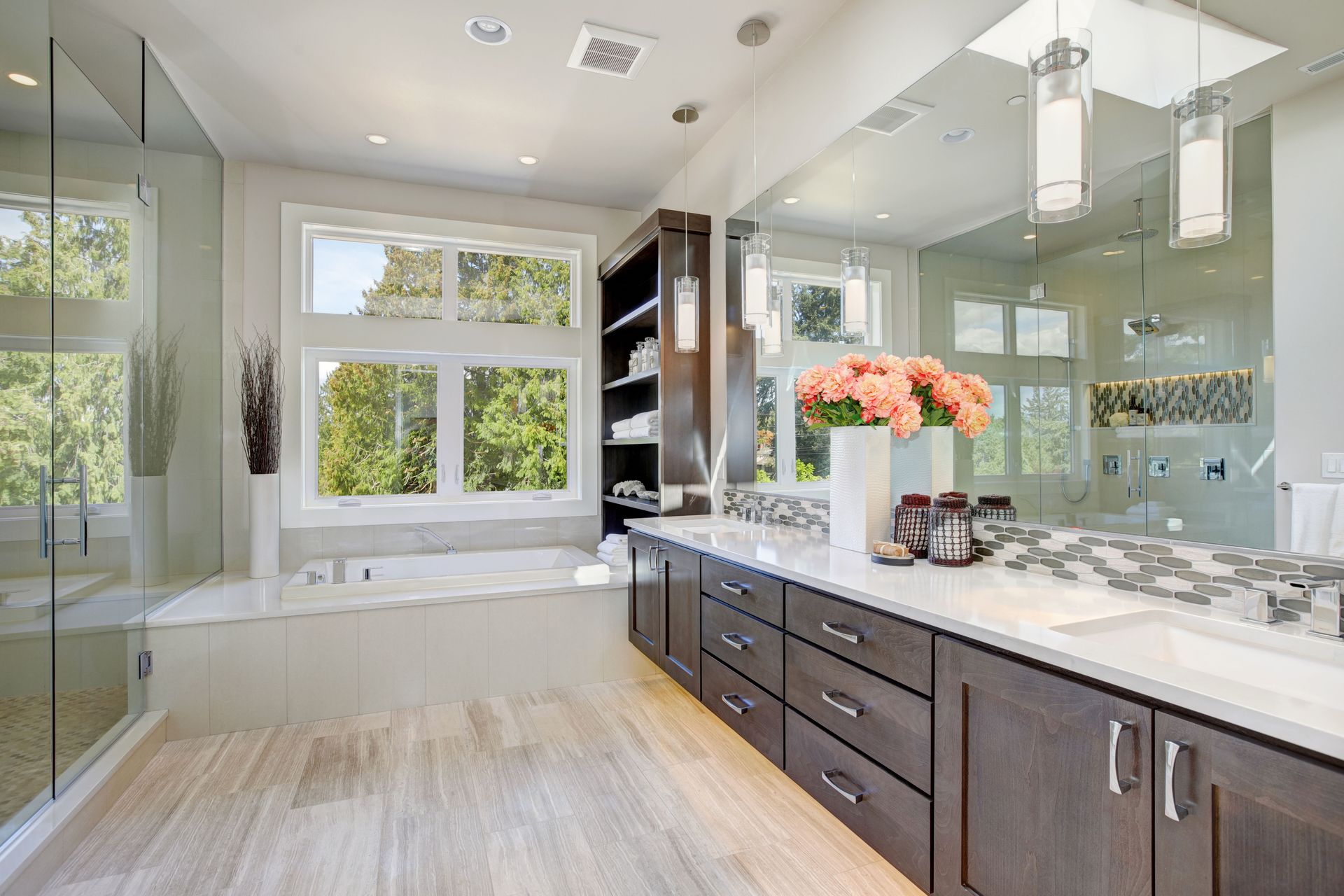
High-quality building materials resist constant moisture damage and daily wear. Solid stone countertops like quartz or granite offer durable, long-term performance. These non-porous vanity surfaces repel makeup stains and prevent harmful bacterial growth. Such extreme durability appeals to buyers seeking low-maintenance homes. Investing in premium stone materials guarantees incredible longevity. Laminate alternatives deteriorate under humid room conditions. Stone counters signify luxury within the market.
Selecting neutral colors for large wall surfaces guarantees broad market acceptance. Bold geometric tile patterns might deter potential buyers with different aesthetic tastes. Effective bathroom remodeling relies on creating a versatile visual canvas. New residents prefer environments adaptable to temporary decorative accents. Earth tones and crisp white paint shades provide a clean architectural backdrop. Outrageous tile colors diminish property appeal and reduce buyer interest.
Flooring selections require similar consideration regarding continuous moisture resistance. Porcelain tiles present an ideal foundation solution. They mimic expensive natural materials like authentic hardwood or delicate marble without the associated physical vulnerabilities. Slip-resistant floor finishes ensure safety for all household residents. Natural hardwood warps under high room humidity. Porcelain remains impervious to standing water puddles. Proper subfloor preparation prevents future tile cracking issues.
Grout maintenance influences perceived overall room cleanliness. Upgrading to premium epoxy grout prevents ugly discoloration and unhealthy mold growth. Pristine tile joints suggest excellent general property upkeep. Buyers notice these cleanliness details during thorough property inspections. Traditional cement grout requires constant, rigorous scrubbing to maintain appearance. Modern epoxy alternatives wipe clean with minimal effort. Fresh grout lines revitalize older tiles, adding immediate visual crispness.
Optimizing Layouts for Maximum Functionality
Spatial efficiency dictates maximum daily user comfort. Reconfiguring awkward floor plans improves hectic morning routines. Expanding tight shower enclosures creates a luxurious bathing experience. Frameless glass shower doors remove visual barriers, making the room appear larger. Solid shower curtains divide small rooms into cramped sections. Clear glass maintains continuous sightlines from wall to wall. Intelligent spatial planning maximizes every available square inch of floor space.
Storage solutions represent another critical functional room component. Visible clutter diminishes the aesthetic appeal of any sanitization space. Incorporating recessed medicine cabinets or floating wall vanities increases hidden storage capacity. Thoughtful bathroom remodeling addresses these practical daily homeowner needs. Open shelving units require constant organization to appear tidy. Closed cabinetry hides personal grooming products from view. Property buyers prioritize homes offering abundant integrated storage options.
Double vanities remain desirable features in primary residential suites. Shared living spaces benefit from distinct individual grooming stations. This popular architectural addition eliminates morning sink conflicts for domestic couples. Real estate property listings highlight dual sinks as premium architectural features. Individual pedestal sinks lack adequate counter space for toiletries. Long double vanities provide expansive surface areas for multiple users. Symmetrical vanity design layouts create pleasing balance.
Financial prudence must guide extensive structural room alterations. Expanding room footprints involves complex plumbing relocations and significant labor expense. According to Remodelista, your bathroom project should not cost more than 5% to 10% of your home’s value. Sticking to existing internal plumbing lines keeps total project budgets contained. Relocating a major fixture requires extensive drainage modifications. Utilizing current pipe configurations maximizes overall return on investment.
Incorporating Luxury for Spa Experiences
Modern property buyers desire personal wellness retreats within their private homes. Introducing spa-like design elements elevates the specific property above competing neighborhood listings. Radiant underfloor heating provides unparalleled foot comfort during colder winter months. This hidden heating feature impresses potential buyers during cold property showings. Stepping onto warm tile enhances the daily bathing experience. Such premium additions distinguish exceptional residential renovations from basic cosmetic upgrades.
Freestanding soaking tubs appeal to specific high-end market segments. These distinct sculptural models act as dramatic room centerpieces. Deep soaking tubs retain classic architectural appeal despite changing modern design trends. Comprehensive room renovation evaluates neighborhood buyer demographics to determine the actual tub necessity. Families require tubs for bathing small children. Omitting a tub alienates specific buyer categories. Strategic fixture inclusion maximizes broad property marketability.
Advanced custom shower systems offer another distinct layer of residential luxury. Ceiling rain showerheads and massaging wall jets simulate exotic resort experiences. Thermostatic control valves maintain precise, constant water temperatures despite fluctuating house pressure. These internal mechanical upgrades signal premium residential construction quality. Standard fixed showerheads feel inadequate compared to custom installations. Built-in tile shower benches provide additional bathing comfort. Recessed niche shelving organizes bottles.
Technology integration continues to gain massive traction in domestic sanitization spaces. Wall mirrors with integrated LED lighting and automatic defogging capabilities add immense modern user convenience. Smart toilets with integrated bidet functions offer enhanced personal hygiene. These contemporary electronic additions suggest a forward-thinking, progressive property design. Heated metal towel racks provide warm linens upon shower exit. Such modern amenities create lasting positive impressions on visiting house hunters.
Improving residential indoor spaces with bathroom remodeling requires strategic decision-making and precise project execution. Enhancing domestic washrooms yields substantial financial returns when executed with current market buyer preferences in mind. Quality building materials and functional spatial designs remain paramount for success. Property appraisal values reflect these thoughtful, systematic enhancements. Frivolous aesthetic choices fail to generate comparable financial dividends. Sound building material investments secure long-term equity growth.
Property owners achieve incredible success by balancing indulgent luxury with practical budget constraints. Sensible material selection and efficient room layout planning ensure broad market appeal. Successful bathroom remodeling transforms outdated domestic spaces into profitable real estate assets. These essential architectural upgrades enrich daily domestic life while securing future financial property returns. Superior washroom renovations seal competitive real estate deals and attract motivated buyers. When you are ready to begin your bathroom remodeling journey, reach out to our dedicated team at ATK. We look forward to turning your vision into an elegant space that adds lasting value to your home.