May 13, 2026
Creating an outdoor living space involves more than choosing boards and picking a stain color. A well-built deck has to match the home, support the way the household lives, and hold up through changing weather and daily use. That is why many property owners choose to work with a professional who can guide the project from the first idea to the final inspection. A deck builder helps turn a general goal into a structured plan by bringing together design knowledge, material guidance, code awareness, and construction experience. Instead of approaching the work as a single installation task, homeowners can move through each phase with greater clarity, better coordination, and fewer costly surprises along the way.
Defining Project Goals Clearly
Every strong project begins with a clear understanding of how the finished deck will be used. Some homeowners want a quiet space for morning coffee, while others need a larger layout for entertaining guests, outdoor dining, or family gatherings. A deck builder helps organize those priorities early so the design reflects daily habits instead of vague ideas. That process often includes discussing traffic flow, access points, furniture needs, railing preferences, and long-term maintenance expectations.
Clear planning also helps determine the proper size and shape of the structure. A deck that looks appealing on paper may feel too tight once seating, grills, and walking space are added. By evaluating how the area will function in real life, the project can move forward with practical dimensions and fewer revisions. This early guidance creates a more efficient starting point and helps prevent design decisions that may later feel limiting or impractical.
Matching Design to the Home
A deck should feel like a natural extension of the property rather than an afterthought attached to the back of the house. Style, proportion, and placement all affect how well the new addition blends with the existing architecture. An experienced deck builder looks at rooflines, door locations, yard slope, and the overall character of the home before recommending a layout. This makes it easier to create a finished result that feels balanced and intentional.
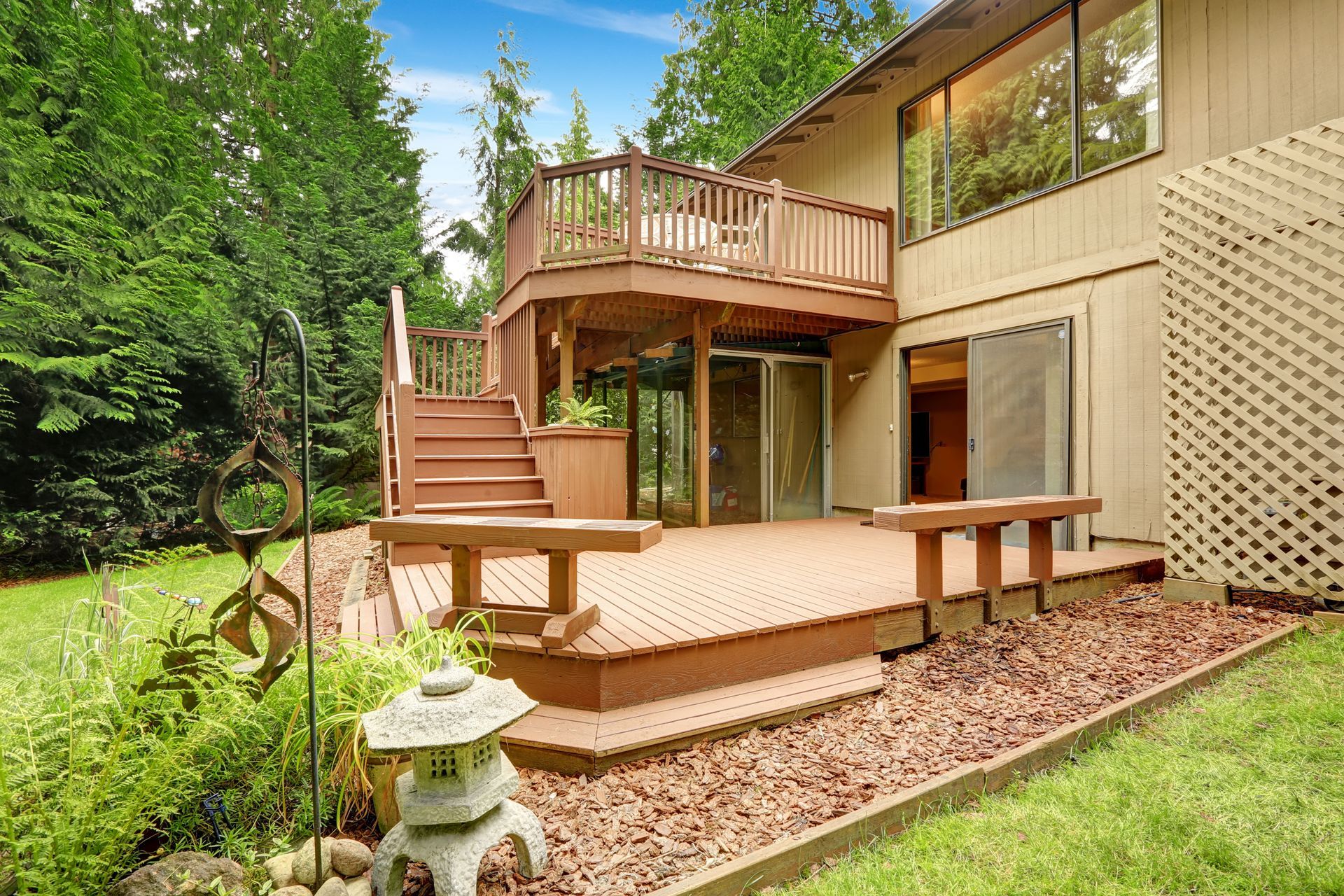
Design support also matters when homeowners want features beyond a basic platform. Built-in benches, stairways, privacy screens, lighting, pergolas, and multi-level sections all require planning that supports both appearance and function. According to Gitnux, 58% of homeowners plan to invest in outdoor renovations within the next year. That growing interest makes thoughtful design even more important, because homeowners are not simply adding square footage; they are improving how the property looks and performs. A carefully planned deck can strengthen curb appeal while making the outdoor area more usable from season to season.
Selecting Materials Strategically
Material selection has a major effect on durability, maintenance, and long-term satisfaction. Homeowners often compare natural wood and composite decking, but the decision goes deeper than appearance alone. Climate, sun exposure, moisture levels, budget, and desired upkeep all influence which materials make the most sense. A deck builder can explain how each option performs over time so the project is based on realistic expectations instead of quick assumptions.
For example, one household may prefer the warm look of natural lumber and feel comfortable with routine sealing or staining. Another may want the lower-maintenance advantages of composite boards that resist fading, splintering, and insect damage. The same careful review applies to fasteners, framing components, rail systems, and surface textures. Choosing the right materials at the beginning supports safety and longevity while reducing the chances of premature repairs. It also helps homeowners feel more confident that the finished structure aligns with both their budget and their daily routine.
Navigating Codes and Site Conditions
A deck project can quickly become more complicated when site-specific factors come into play. Elevation changes, drainage patterns, soil conditions, and property boundaries all affect how the structure should be built. A deck builder evaluates these details before construction begins, helping identify issues that may otherwise delay the job or create avoidable problems later. What seems like a simple backyard installation often requires detailed planning beneath the surface.
Local building codes and permit requirements add another layer of responsibility. Height rules, footing depth, railing specifications, stair dimensions, and attachment standards must all be handled correctly. A professional who understands these requirements helps homeowners avoid confusion, failed inspections, or costly corrections. This part of the process may not be the most visible, but it is one of the most important. When site conditions and regulations are addressed early, the project moves forward with a stronger foundation and a clearer path toward approval.
Coordinating Construction Efficiently
Good construction depends on more than workmanship alone. Scheduling, sequencing, and communication all play a role in whether a project stays organized and productive. A deck builder coordinates demolition, framing, surface installation, and finishing details in an order that supports efficiency and quality control. This structure helps reduce downtime and keeps each phase connected to the next.
Efficient coordination also improves the homeowner experience. Clear timelines, regular updates, and organized worksites make the process easier to manage, especially for families balancing daily routines during construction. When unexpected issues arise, such as hidden structural concerns or material delays, a skilled professional can adjust the plan without losing sight of the end goal. That ability to manage both the visible work and the behind-the-scenes logistics often makes a major difference in how smoothly the project progresses from start to finish.
Improving Safety and Structural Performance
A deck has to do more than look attractive. It must support weight reliably, remain stable over time, and provide safe access for everyone who uses it. Structural integrity depends on proper framing, secure connections, quality hardware, and correct spacing throughout the system. A qualified deck builder understands how those technical details work together and why cutting corners can create serious risks.
Safety considerations also include rail height, stair consistency, lighting placement, slip resistance, and transitions between indoor and outdoor areas. These details are especially important for households with children, older adults, or frequent guests. When safety is built into the design from the beginning, homeowners do not need to choose between appearance and performance. The finished deck can deliver both. Strong construction practices support everyday peace of mind and help protect the value of the investment over time.
Supporting Long-Term Value
The best outdoor projects continue paying off after construction is complete. A thoughtfully planned deck can increase usable living space, improve enjoyment of the property, and support future resale appeal. Those benefits tend to be stronger when the work is tailored to the home and built with lasting materials. A deck builder contributes to that value by helping homeowners make decisions that hold up well beyond the installation period.
Long-term value also comes from reducing avoidable mistakes. Poor layout choices, mismatched materials, drainage problems, and code issues can all lead to frustration and added expense. By contrast, a project built on sound planning and skilled execution is better positioned to age well. Homeowners gain an outdoor space that feels purposeful, comfortable, and durable. Whether the goal is everyday relaxation, entertaining, or improving the property as a whole, professional guidance helps turn a deck into a feature that serves the home for years. Call ATK today to schedule your deck construction consultation.