November 20, 2026
Constructing a safe, stable, and durable structure requires starting from the ground up, and the long-term success of any construction project depends almost entirely on the integrity of its underlying support system. Traditional foundation methods have served the building industry for decades, yet they frequently present contractors and property owners with significant operational challenges. Standard poured concrete footings and continuous perimeter walls typically demand extensive earthmoving, deep trenching, high labor overhead, prolonged curing times, and severe site disruption. When building crews encounter poor soil conditions, shallow water tables, or steep slopes, traditional methods become even more costly and complex. As modern structural engineering continues to advance, innovative foundation technology has transformed how builders navigate difficult terrain, tight urban footprints, and strict construction deadlines.
Deep foundation systems have evolved specifically to meet rigorous load-bearing requirements without the structural vulnerabilities and logistical headaches associated with heavy surface excavation. Among these modern engineering achievements, helical piers have emerged as one of the most reliable, adaptable, and efficient structural support solutions available in contemporary construction. These heavy-duty steel screw-anchors provide exceptional load capacity across residential, commercial, industrial, and civil engineering applications. Understanding why this advanced system is rapidly becoming the gold standard for modern site development requires a detailed examination of its structural mechanics, practical advantages, environmental performance, and overall long-term value.
What Are Helical Piers?
A helical pier is a precision-engineered deep foundation anchor consisting of a solid central steel shaft fitted with one or more circular helical bearing plates. Often referred to in the construction industry as screw piles, helical anchors, or helical piles, these specialized components are engineered specifically to transfer structural loads past weak surface earth down into dense, stable soil strata located deep below the surface. The central shaft can be manufactured in either a square or round hollow structural section, depending on the precise mechanical demands of the project. Square shafts generally offer superior resistance to high installation torque, whereas round shafts provide exceptional axial stiffness, bending resistance, and lateral stability. The attached steel helix plates feature a pitched, corkscrew-like design that allows the entire assembly to be driven deep into the ground mechanically rather than set inside an open excavation hole.
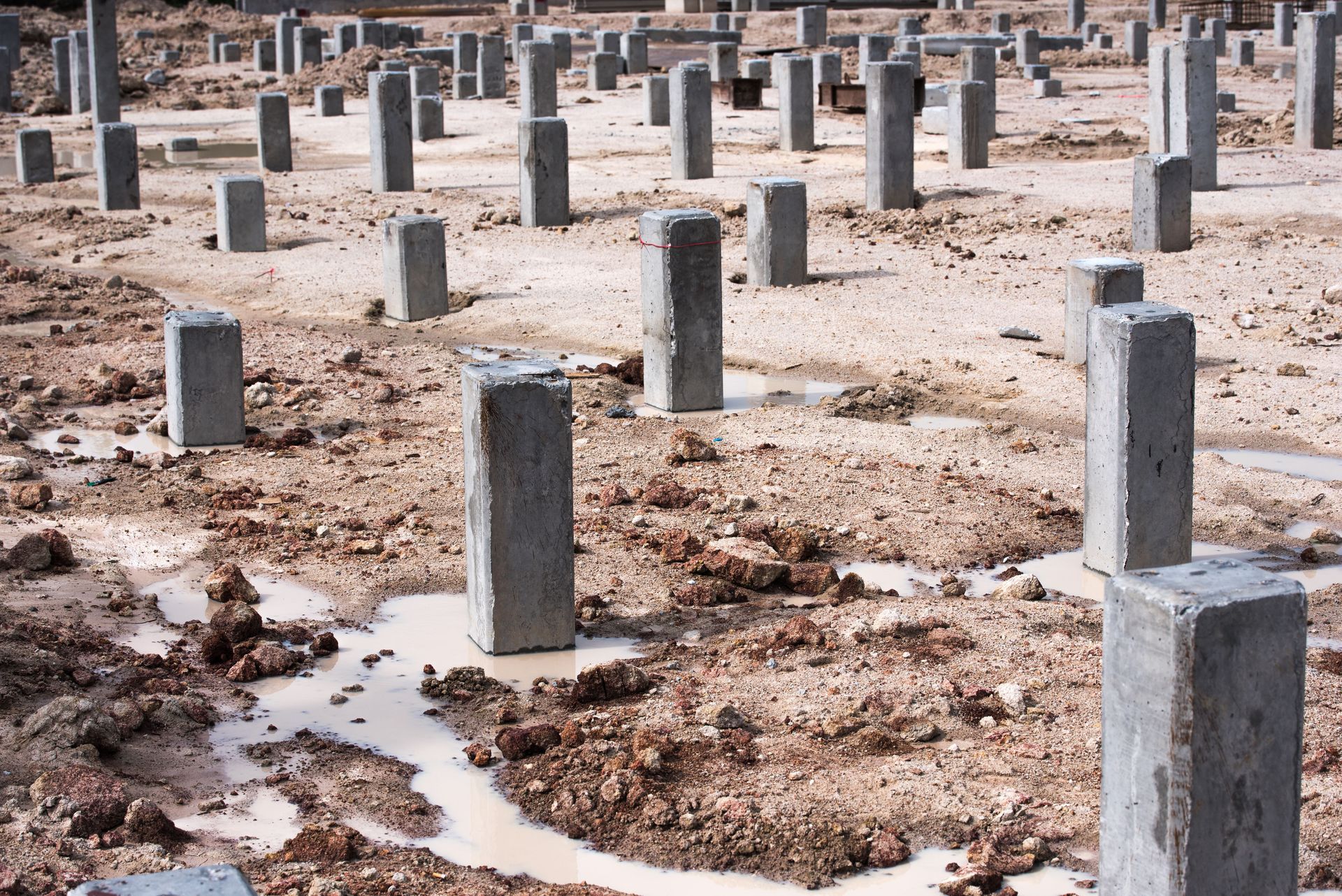
Unlike traditional shallow footings that rely on massive dead weight and broad surface area near the ground line, helical piers completely bypass soft topsoil, organic matter, expansive clays, and fill material. They lock directly into deeper subterranean strata that remain entirely unaffected by seasonal frost heave, moisture fluctuations, or surface soil movement. This specialized steel configuration eliminates the need for massive earthmoving machinery, bulk concrete deliveries, and broad trench excavation, offering a clean, streamlined, and engineered alternative to legacy foundation techniques.
How Do Helical Piers Work?
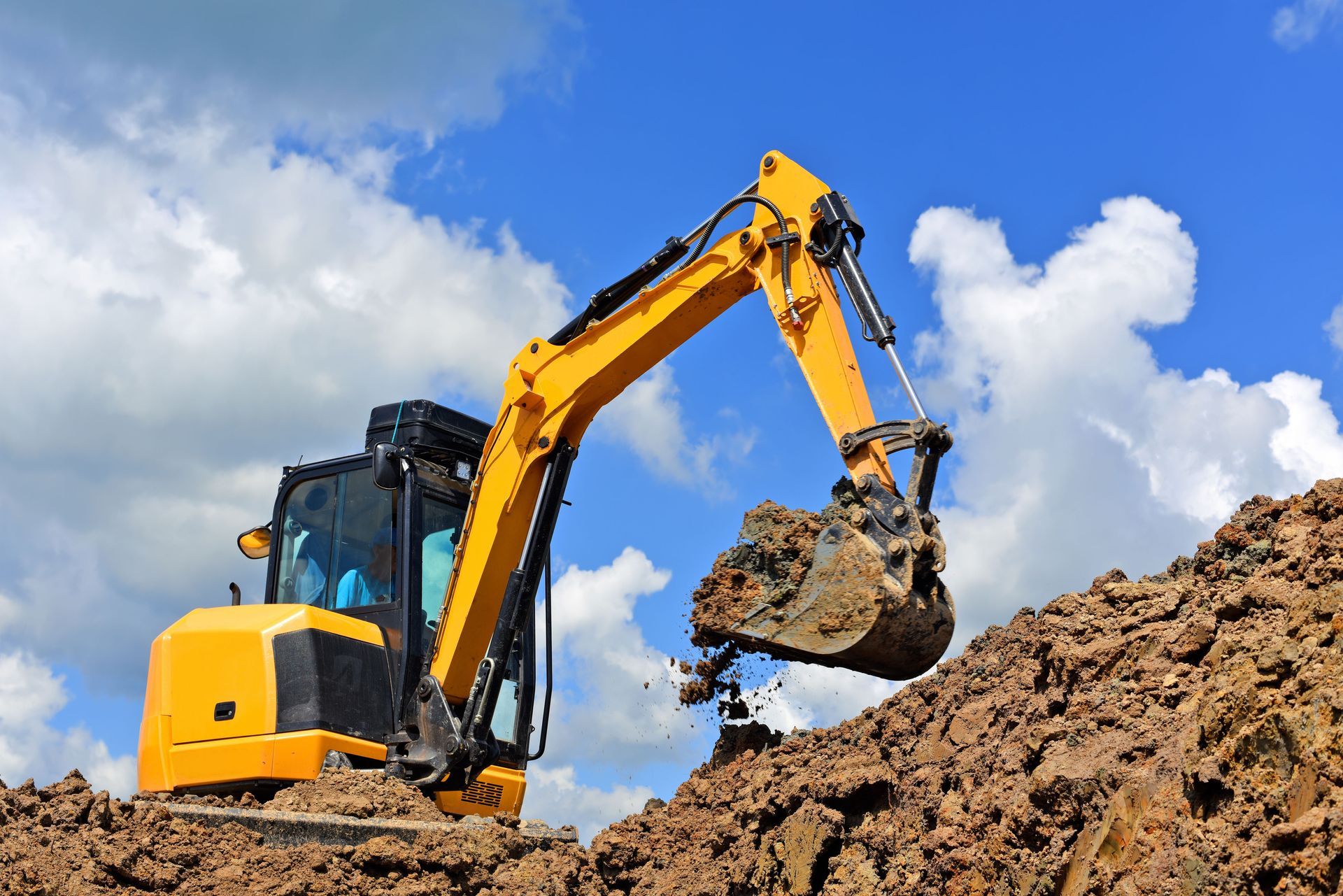
The installation methodology of helical piers relies on continuous rotational force rather than deep digging, heavy percussion driving, or concrete pouring. Specialized hydraulic torque motors attached to standard construction equipment—such as excavators, skid steers, or compact track loaders—connect directly to the top of the steel shaft. The machinery drives the steel assembly into the earth at a carefully controlled rotation rate and angle. As the device rotates, the engineered pitch of the steel helix plates allows them to thread smoothly into the soil with minimal disturbance to the surrounding soil matrix. Engineers monitor the applied rotational torque continuously throughout the installation process because the resistance encountered during driving correlates directly to the ultimate bearing capacity and load resistance of the subterranean soil layers.
The installation proceeds deeper into the earth, adding shaft extensions as needed, until the pier reaches the designated load-bearing stratum and meets the predetermined torque requirement specified by the structural engineer. According to Builder, in average soil, driving a helical pier takes about 10 minutes, after which it’s ready to build on. Unlike wet poured concrete, which demands several days or even weeks to achieve its design strength, these solid steel units accept full structural design loads instantly upon placement. Structural weight from the building above transfers seamlessly down through the central steel column, where the helical plates distribute the forces evenly across deep, competent soil layers.
Benefits of Using Helical Piers
The widespread adoption of helical piers across the modern building sector is driven by a comprehensive list of distinct operational, structural, and financial advantages. Primary among these benefits is immediate load capacity, which dramatically compresses project schedules, eliminates downtime, and reduces labor overhead on the jobsite. Environmental sustainability is another major strength of this technology. Because helical piers screw directly into the substrate with surgical precision, they displace virtually zero soil, completely eliminating the expenses, labor, and transport logistics associated with hauling away contaminated or surplus earth.
Furthermore, their installation generates minimal noise and low vibration, making them extremely safe for work immediately adjacent to fragile historic structures, sensitive environmental zones, or underground public utilities. Additionally, helical piers perform exceptionally well across an array of difficult soil conditions, including loose granular sands, highly expansive clay soils, reclaimed land, and saturated water-table zones.
Where Are Helical Piers Most Effective?
Thanks to their adaptable engineering and compact installation footprint, helical piers excel in challenging jobsite conditions where conventional foundation methods prove impractical, overly expensive, or structurally unsafe. In dense urban environments where property boundaries are tight and heavy excavation risks damaging neighboring foundations, helical piers can be placed swiftly using low-profile equipment without disturbing adjacent structures.
They are equally indispensable along coastal regions, floodplains, wetlands, and riverbanks where saturated surface soils lack sufficient shear strength to support traditional concrete footings. Steep hillsides and irregular mountain terrain also benefit immensely from this approach; installing helical piers avoids the massive earth grading, retaining wall construction, and major slope stabilization work typically required for poured foundation walls.
Beyond new residential home building and multi-story commercial projects, contractors depend heavily on helical piers for underpinning sagging foundations, restoring settled structures, stabilizing failing retaining walls, securing utility transmission towers, supporting solar panel arrays, and anchoring elevated boardwalks through ecologically sensitive parks. Their minimal physical footprint enables specialized repair crews to perform critical foundation retrofits inside basements or tight crawlspaces without requiring major structural demolition.
Comparing Helical Piers to Other Foundation Solutions
When evaluated side-by-side with conventional foundation options, the clear superiority of helical piers becomes apparent in terms of velocity, clean execution, and predictable performance. Standard poured-in-place concrete footings require extensive open excavations, complex formwork assembly, dense rebar placement, and extended curing windows that leave project schedules highly vulnerable to weather conditions.
Prolonged rainfall can flood open trenches, wash out unstable sidewalls, and freeze uncured concrete, resulting in costly jobsite delays and material waste. Drilled shaft concrete piers require heavy drilling rigs and messy slurry management systems, producing substantial drill cuttings that require expensive site remediation. By contrast, helical piers offer clean, quiet, and rapid installation regardless of freezing ambient temperatures, high water tables, or heavy precipitation.
Selecting the right foundation approach is arguably the single most critical decision in ensuring the overall structural stability, safety, and operational lifespan of any new construction or remediation project. Traditional foundation techniques, while historically common, frequently introduce unnecessary scheduling delays, heavy site disruption, environmental stress, and ongoing structural risks associated with unstable surface soils. Helical piers offer an advanced, modern engineering solution that resolves these complex challenges through high load capacity, rapid all-weather installation, superior adaptability, and minimal environmental impact. If you need piers, reach out to ATK today!